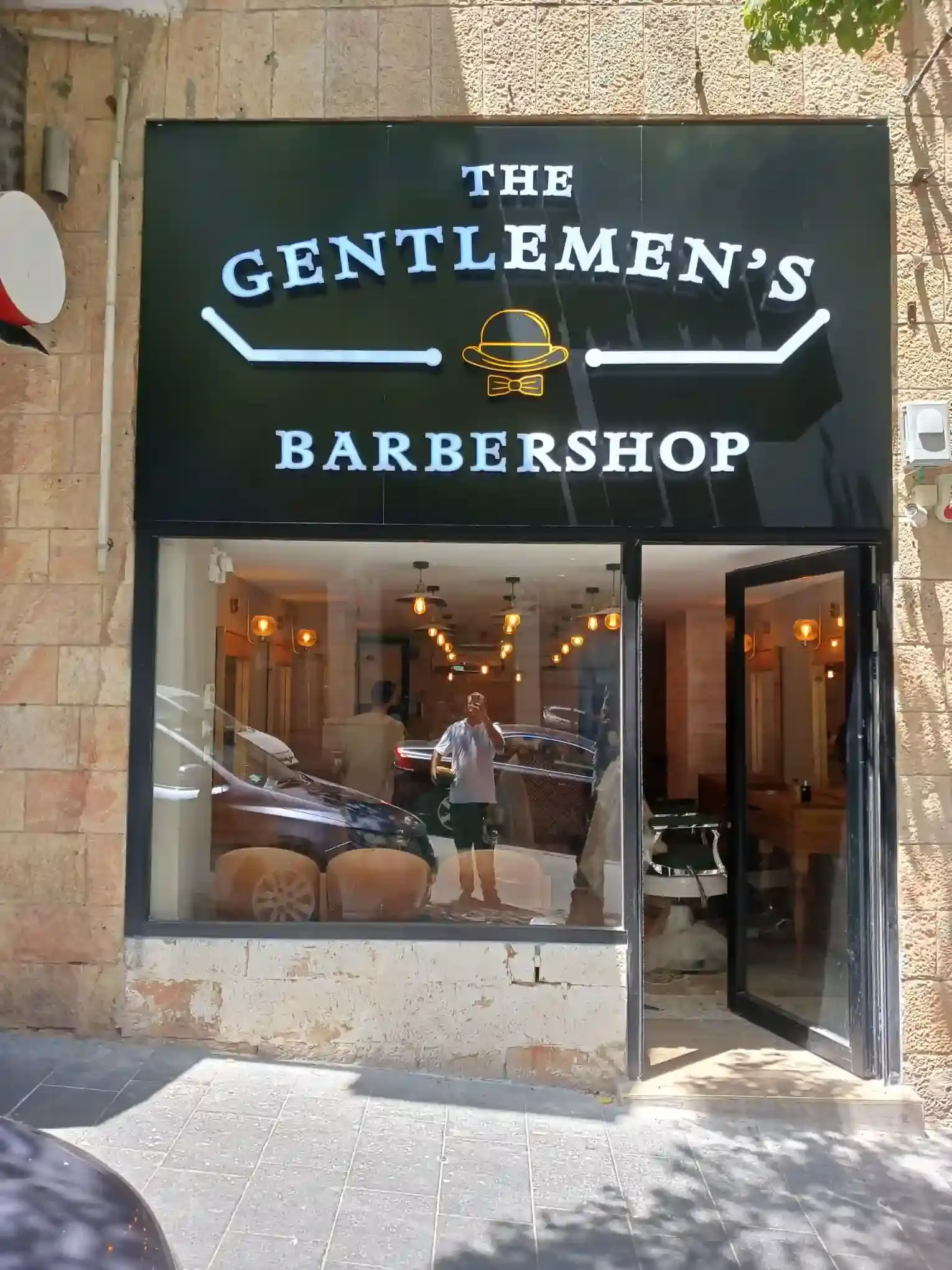
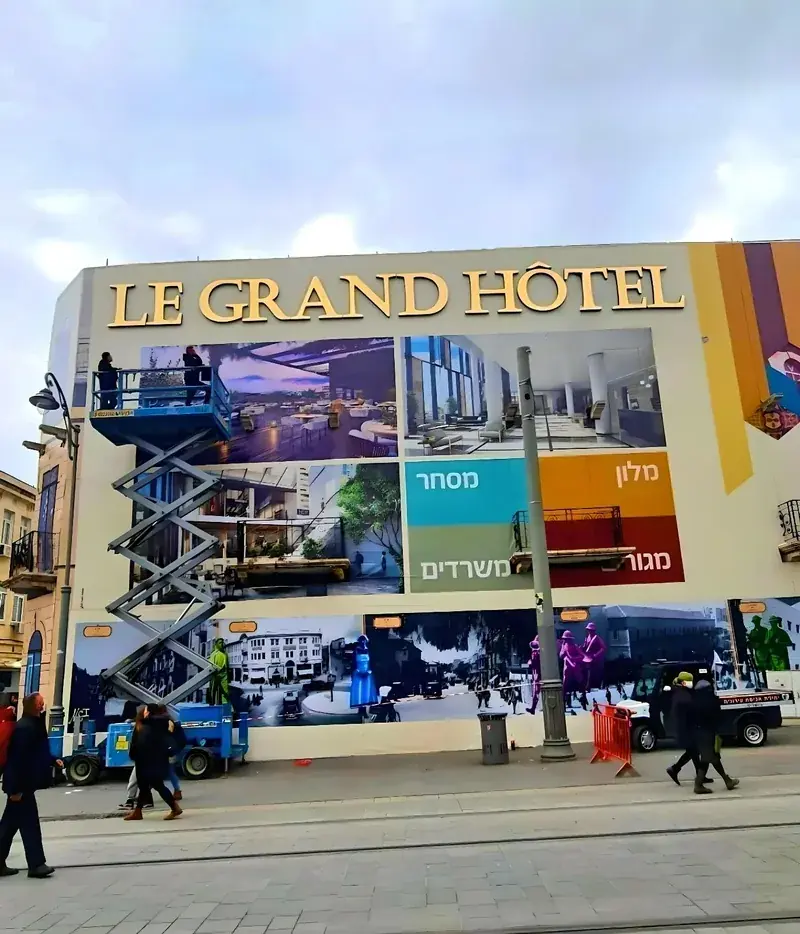
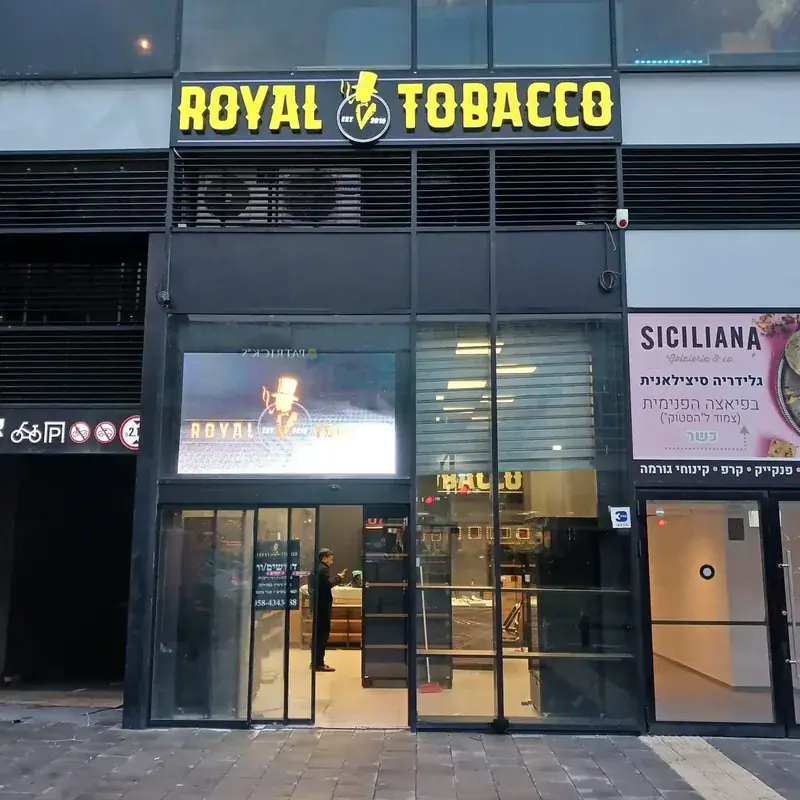
Many business owners view a sign as an expense, but in practice, a quality illuminated sign is one of the most cost-effective marketing investments a business can make. Unlike digital advertising that requires an ongoing budget, a sign works 24/7, 365 days a year, with no additional cost beyond electricity.
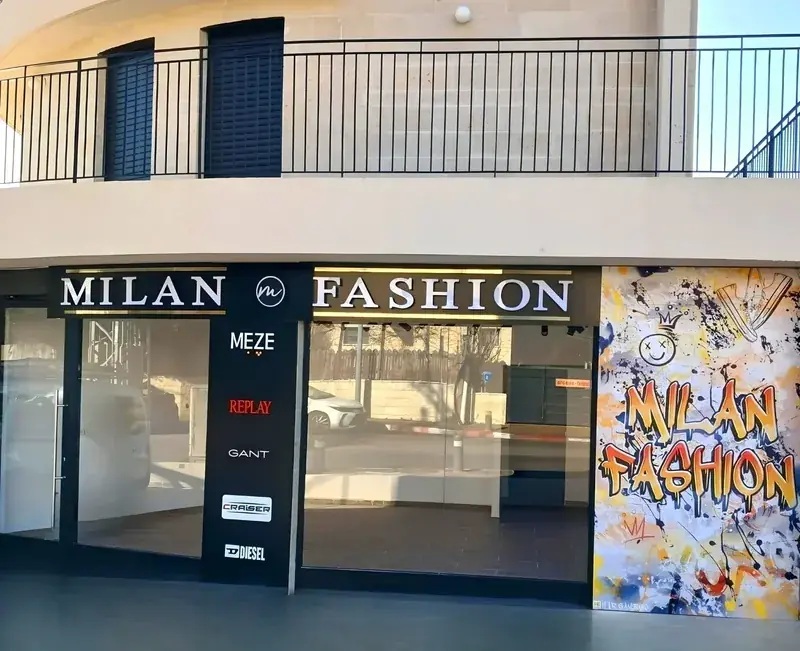
A study by the International Sign Association (ISA) found that approximately 76% of consumers entered a store they had not known before solely because of its sign. Another study by FedEx Office revealed that 68% of consumers believe a business sign reflects the quality of its products and services. The numbers speak for themselves: a quality illuminated sign is not an expense, it is a business necessity.
In Costa Rica, where tourism is a major economic driver, your business visibility is especially important. Tourists walking the streets of Tamarindo, Nosara or Liberia make purchasing decisions based on what they see. An impressive illuminated sign is the difference between a customer walking in and a customer walking past to a competitor.
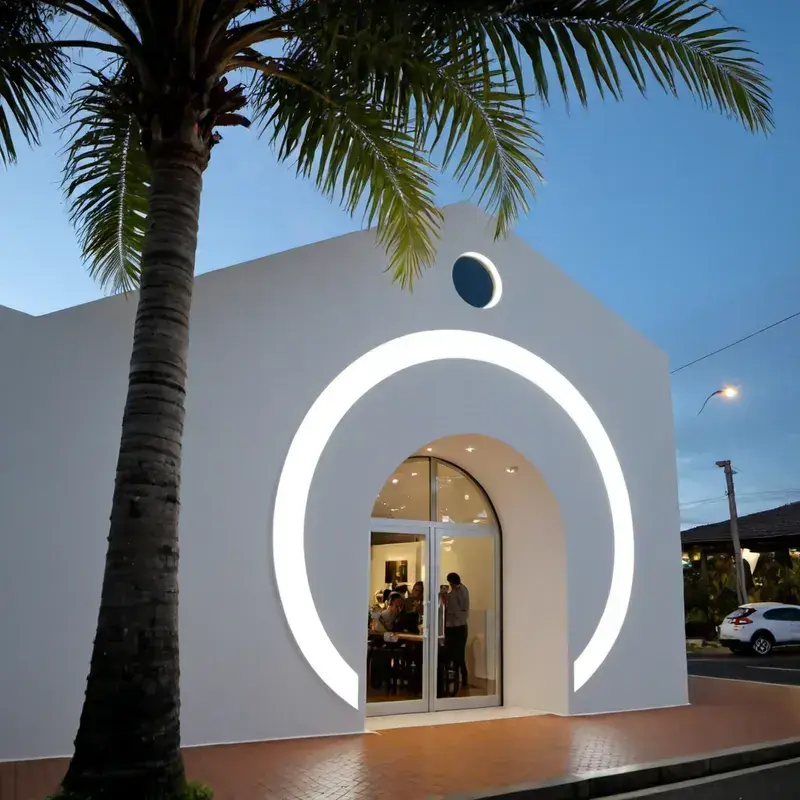
Illuminated outdoor signs are particularly effective for businesses located near main roads. A large pylon sign with powerful LED lighting can be seen from hundreds of meters away, turning your business into a landmark in the area. At SignWorks we specialize in designing outdoor signs that maximize visibility while meeting all regulatory requirements.
What an Illuminated Sign Costs Per Month
Start with the price. An average illuminated-letter sign from SignWorks costs about $1,250. Smaller pieces and other formats start lower — every product page lists its own starting price — but $1,250 is a fair figure to reason with, and it is paid once. To compare it against anything else you spend on marketing, divide it by the months it will keep working.
The LED modules we build with are rated for up to 50,000 hours. A sign lit twelve hours a night runs about 4,380 hours a year, so 50,000 hours is more than eleven years of nightly operation. Take a deliberately conservative ten-year service life and the arithmetic is short: $1,250 ÷ 120 months is about $10.40 a month. On a stricter seven-year view it is $1,250 ÷ 84, about $14.90 a month. Both figures are before electricity, which stays small because LED draws up to 80% less power than traditional sign lighting; to put a number on your own, multiply the sign's wattage by the hours it runs and by your kWh tariff.
What One Extra Customer a Week Is Worth
Now turn the calculation around. Assume — and this is an assumption, not a measurement — that the sign brings you one customer a week who would otherwise have walked past. That is 52 customers a year. On the ten-year view the sign costs $125 a year, so it breaks even once those 52 customers spend $125 between them: about $2.40 each. Your own version of that number is $125 divided by 52, held next to your average ticket.
This is why signage arithmetic rarely comes out close. For a café with a $6 average sale, one extra customer a week covers the sign roughly two and a half times over in the first year. For a restaurant, a dental clinic or a surf school, where the average sale is measured in tens or hundreds of dollars, the sign is paid for within the first months. The honest way to use this is not to trust our example — it is to put your own ticket and your own expected lifespan into the same two lines and see what comes out.
Every assumption above is visible on purpose: $1,250 for the sign, a ten-year working life, one extra customer a week. Change any of them and the answer changes with them. What does not change is the shape of it. A sign is a one-time cost spread across years, while every advertising channel competing for the same budget is a cost that arrives again next month.
The bottom line: a quality illuminated sign is not an expense, it is an investment with proven returns. If your business still relies on an old, faded or unlit sign, you are probably losing customers every day. Contact SignWorks for a free consultation and let us find together the solution that will bring more customers to your door.